Fascinating Facts About Chickens: Amazing Things You Probably Never Knew

Feathers, eggs, and early morning crowing – that’s what most people picture when they think of chickens. Yet beneath those everyday sights sits a far more remarkable story. Hidden instincts, unusual biology, and quiet behaviors shape how chickens survive, communicate, and thrive. What seems ordinary often turns out to be surprisingly complex once you look a little closer.
Quick Chicken Facts
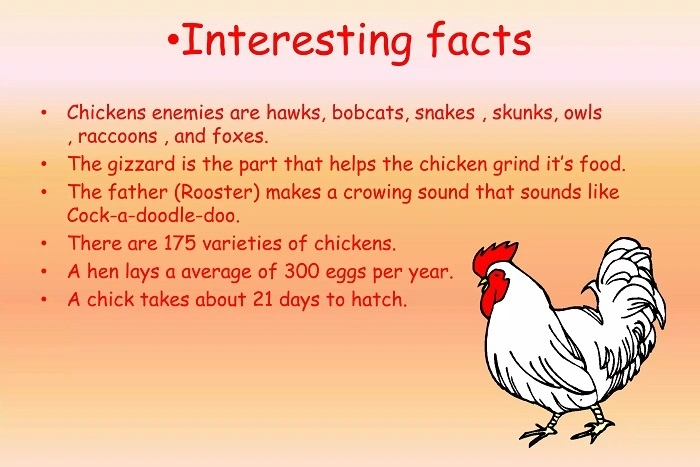
Here are a few amazing facts about chickens before exploring the details:
- Chickens can see nearly 300 degrees around them.
- They cool themselves without sweat glands.
- Ear color often predicts eggshell color.
- Chickens live within a clear social pecking order.
- They use tiny stones inside their gizzard instead of teeth.
Chickens See the World Differently
One reason chickens peck at soil goes beyond hunger. Their eyes work separately, never locking on the same thing together. As one eye searches for grains, the second watches for danger nearby. Seeing sideways does not mean seeing everything clearly. Depth fades when sight spreads wide across each side of the head. Survival shapes how they view the world. Balance shifts toward caution instead of precision. Almost three hundred degrees fit within their view, just a small gap hiding what lies directly behind. Still, that tilted head isn’t wonder – it’s precision, one eye lining up the target before any movement begins.
Chickens Cool Themselves Without Sweating
Chickens handle heat without sweat glands doing much of the work. Breathing fast helps, sure – yet it is mostly the quick motion in their throats that shifts warmth out. That little shake by the neck adjusts body levels quietly, looking like panic when it is just cooling down. Because of this hidden rhythm, shade becomes far more useful than a drink during long sun spells. Heavy heat moves without sound; a drop in eggs comes first, then shaky defenses, while actions shift even when birds seem fine. Watching how chickens breathe – more than just their drinking spots – shows farmers real signs instead of guesses about well-being.
Ear Color Often Matches Egg Color
White feathers do not mean white eggs, despite what many think. Genes decide the shade – linked closely to what color the ear skin shows. Usually birds with pale ears drop pale eggs; darker lobes, browner shells. Yet some break the pattern entirely – the Araucana, for instance, gives blue eggs no matter its lobe tint. Early in development, oocyanin spreads through the whole shell, not just its outer layer. Protroporphyrine shows up later, giving brown eggs their hue mainly on the surface. Lighter layers show when you rub a brown eggshell because of this outer-only coloring. Feed changes do nothing to either process, even though some brands say otherwise.
Also Read: Basketball Facts
Roosters Crow Before Sunrise for More Than One Reason
Before the sun shows itself, roosters start calling – not just because of brightness. Deep inside their brains, tiny structures react to faint changes in surrounding light energy. These natural timers keep working even when days blend into one unbroken dim glow. Light alone doesn’t set off the sound; patterns do. Yet a sharp noise or quick motion can still spark a call. Dawn isn’t the only cue – it’s part of a deeper pulse. Starting first often belongs to the top male; the rest join later because they feel social pressure, not due to internal clocks. Crowing seems less about waking up nature and more about showing rank where pecking orders exist.
Chickens Live by a Pecking Order
Chickens showed their ranking system long before scientists named it. Way back in 1921, a Norwegian researcher, Thorleif Schjelderup-Ebbe, noticed how certain birds always got first access to food and water. Top ones took priority without question. Yet those lower down did not just accept defeat. Instead of standing still, they learned tricks over time. A few stayed close to less obvious routes, slipping in when dominant figures looked away. Moments of absence became chances others seized. Some pull back when tensions rise, saving strength rather than fighting what cannot be won. Their choices show experience shaping behavior, not passive surrender.
Dust Baths Keep Chickens Healthy
Surprisingly, birds just know how to do this – yet every move follows hidden chemistry. Instead of wet ground, they pick dusty patches stripped of leaves and dampness. Lowering themselves down, they toss dirt across their backs using quick shakes. Those tremors send clouds through feathers. Purpose? Knocking loose bugs such as mites and tiny wingless pests. Dust slips into insect limbs, jams them up, while also soaking greasy residues where bacteria thrive. When birds lack the right ground material, their feathers wear down faster. Though some operations try using sand or diatomaceous earth instead, real soil hosts microbes that naturally limit harmful organisms – an effect hard to mimic. What grows beneath them shapes what happens above.
Chicks Begin Developing Before the Shell Is Finished
Before the egg finishes forming, fertilization can already happen. When a sperm reaches an egg inside the infundibulum, splitting cells kicks off right away – long before the shell gets its hard coating. As things come together, growing embryos feel every shift in mom’s body. Hormones tied to stress, such as corticosterone, seep into the yolk, possibly shaping how chicks act once they hatch. Fear jumps in baby birds when moms face stress before birth. That shift happens even if DNA stays unchanged.
Modern Chickens Rarely Go Broody
Every so often, a hen feels the pull to sit tight on her eggs – this urge is fading fast in farm-raised birds. Because breeders have favored layers over sitters, today’s chickens bounce back to laying soon after eggs are taken away. Long ago, their wild kin would halt production completely, waiting for chicks to pip through shells. By dialing down that nesting instinct, people boosted yearly numbers – but at a cost. The ability to raise new flocks without human help has slipped away. Now machines handle every chick start, leaving behind nature’s built-in backup plan.
Chickens Adapt to Different Climates
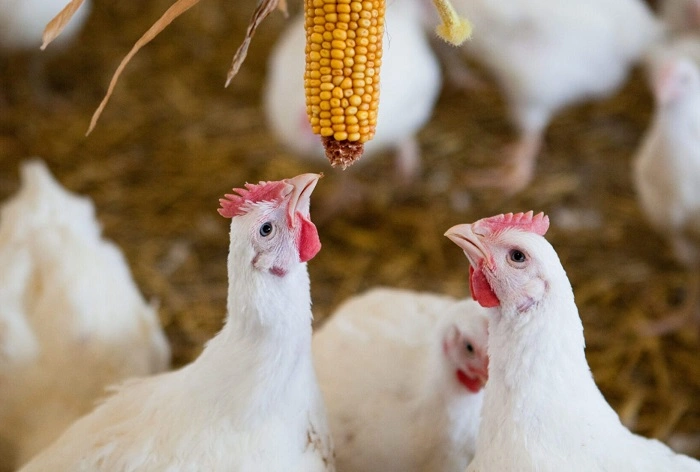
Heat escapes a chicken mostly where feathers are missing, like on bare legs and wattles. Up high on a perch, less body surface touches cold surfaces, so warmth stays in longer. Some birds come built for chill – think small combs on northern farm fowl. Others, like sunny-region layers such as Leghorns, carry bigger head growths that freeze easier. Body shapes shift across zones because weather molds what works.
Chickens Use Stones Instead of Teeth
Chickens cannot chew their meals like we do. Yet they still need something tough to break down what they eat. Those tiny rocks they pick up? They travel straight to a strong part of the stomach called the gizzard. There, grinding begins – no teeth required. Skip the stones, though, and everything backs up, no matter how good the feed looks on paper. Crushed oyster shell dissolves easily, giving birds needed calcium. Granite bits stay whole, helping grind food inside the gut. One after another, these work better apart than blended together. Birds take what they need when items sit in separate spots.
Chickens See Motion Faster Than Humans
Chickens notice moments in a way people do not. Around them, visuals snap quicker through their eyes – sometimes 140 times each second, while we see only about 60. A light that seems steady to you might look like flashes to them. That flicker can confuse movement and raise tension indoors under low-end lamps. Brightness without rapid pulses helps keep their minds at ease.
More Chicken Facts
- Chickens can see nearly 300 degrees around them.
- They cool themselves by rapid throat movement rather than sweating.
- Ear color often matches eggshell color.
- Roosters crow according to internal body clocks and social ranking.
- Dust baths help remove parasites and protect feathers.
- Chicks begin developing before the shell is fully formed.
- Modern laying hens are less likely to become broody.
- Chickens rely on grit inside the gizzard to grind food.
- Their eyes detect movement much faster than human eyes.
- Social hierarchy influences nearly every part of flock life.
Frequently Asked Questions (FAQs) About Facts About Chickens
How far can chickens see ?
Chickens have a field of vision close to 300 degrees, allowing them to watch for food and predators at the same time.
Why do chickens take dust baths ?
Dust baths help remove parasites, absorb excess oil, and keep feathers in good condition.
Do feather colors determine egg colors ?
No. Egg color is mostly controlled by genetics, and ear lobe color is often a better indicator.
Why do chickens eat small stones ?
The stones stay in the gizzard, where they help grind food because chickens do not have teeth.
Why do roosters crow before sunrise ?
Roosters follow internal biological clocks, although light, sounds, and social ranking also influence crowing.
Surprise lives in how chickens decide where to stand. Not because of hardwired urges, but due to small moments stored – a shadow’s edge moving at midday, one bird stepping aside when another nears without hurry. Sound links to crumbs more often than chance suggests. Life unfolds through layers built long before fences appeared. Watch closely. Meaning hides in rhythms deeper than habit. Understanding begins once you stop calling it basic.