Interesting Facts About Paraguay: Surprising Things You Probably Didn’t Know

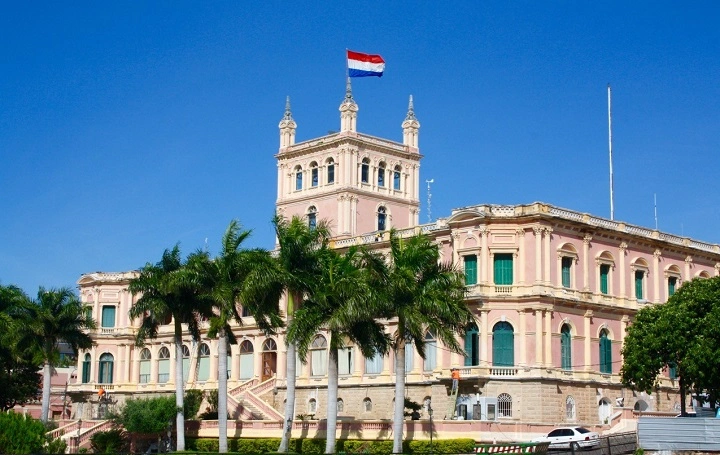
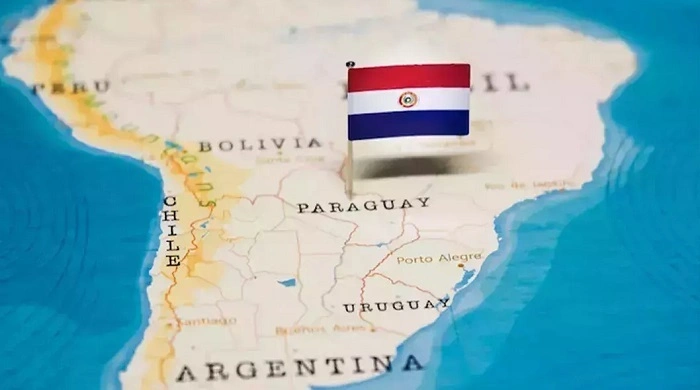
Hidden in plain sight, Paraguay barely registers when people think about South America. Sitting tight between Argentina, Brazil, and Bolivia, it seldom makes the cut for travel plans. Still, being overlooked might give it a depth few anticipate. More than just warm weather and green landscapes, it runs on rhythms others miss. Shaped by quiet currents beneath the surface, its story unfolds offbeat.
Quick Paraguay Facts
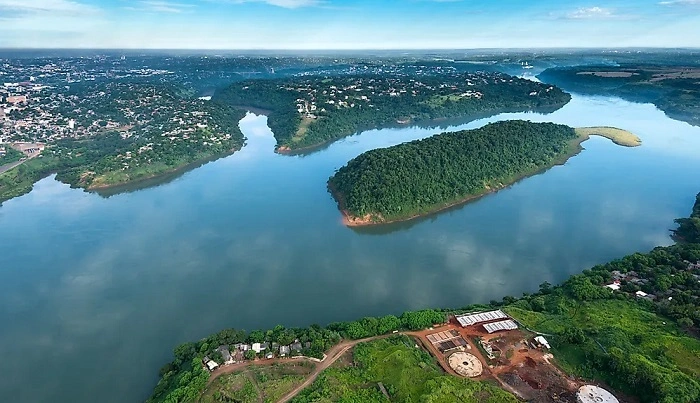
Here are a few fascinating facts about Paraguay before exploring the details:
- Guaraní is spoken alongside Spanish by most of the population.
- Paraguay produces far more hydroelectric power than it consumes.
- The country has a navy despite being landlocked.
- Traditional barter still exists in some rural communities.
- Indigenous cultures remain an important part of Paraguay’s identity.
Paraguay Is Officially Bilingual
In Asunción’s markets, you hear Spanish first. Then comes Guaraní – not just whispers but full voices. This tongue matters more than most notice. While native speech elsewhere fades into corners of far villages, here it fills homes, streets, schools. Nine of ten people speak it, some say. Yet few talk about how it survived. Not laws saved it. Not campaigns. A war did – the one between 1864 and 1870. The Triple Alliance conflict left almost no men standing. Later on, alone, country people kept living much like before, speaking Guaraní inside their homes. For government work, they turned to Spanish instead. This split didn’t fade – it slipped into schools now, into broadcasts, into laughter between elders bartering at market corners, mixing words without thinking. What began quietly still hums beneath everyday talk.
A Barter Economy Still Exists
Out here, money flows one way. Yet Paraguay leans into separation by design. Two systems beat under a single flag. Global tides pull at soybean shipments – these ride new docks down south, close to Encarnación. Hidden beneath the surface, another world grows strong without attention. Bartering holds steady in an immense underground economy. Places such as San Juan Bautista swap eggs for bars of soap, sometimes even blades for footwear. Driven less by lack and more by unstable money, since basics stay constant. Surprisingly tough against rising prices, despite common belief. Authorities overlook its full scale – banks never measuring it completely. Still, meals land on tables through this network, especially when paper bills fail.
Paraguay Produces More Electricity Than It Needs
Out here, electricity moves in strange ways. Power from water exceeds what Paraguay needs. A dam shared with Brazil churns out huge extra amounts. That overflow gets shipped elsewhere. Prices locked in long before today’s world began. Paraguay brings in cash, yet stays off the economic radar. Seen by some as selling itself short. Viewed by others as a shield against chaos nearby – Brazil gets power without hiccups, while Paraguay sidesteps upkeep headaches. Still, most people get little relief on their payments. Electricity flows out like water; money trickles back, slowed by bureaucracy. What leaves is clear. What comes back? Not much reaches hands.
Paraguay Has a Navy Without a Coast
Far from any sea. Without saltwater ports. Still, Paraguay has warships on water. Strange? Only at first glance. Rivers tell the real story. Flowing wide and steady – the Paraná, then the Paraguay. Cutting through land like liquid roads. Goods move nonstop: soybeans, diesel, shipping boxes. Floating trains of barges push south. Guarded by gunboats that never touch an ocean. Out here, river routes become borders by default. Patrol boats watch for fuel hidden below decks, gadgets tucked in crates – smuggled toward Brazil or Argentina because prices jump across the line. Taxes shape everything. What looks like open water acts as a boundary. Paraguay has no coast, so rivers stand in. Boats do the job of border guards. Profit drives runners; officials respond mile by mile.
Also Read: Cuba Fun Facts
Ciudad del Este Is Famous for Border Trade
Out here, things move differently. Right where Paraguay meets Brazil stands Ciudad del Este – a place built on backdoor trade. You’ll find phones, sprays, shirts passing through gaps in control. Not random though. There’s a rhythm underneath what looks like disorder. Out here, local sellers stick to unwritten rules they’ve picked up over time. Even though border trade is limited, officials look the other way – just so long as big crime groups stay out. Close it all off completely? That’d send joblessness soaring. So quiet acceptance slips into place instead of laws. People make moves in a space that’s not exactly outlawed, yet never properly written down either.
History Still Shapes Modern Paraguay
Back then, wounds stayed hidden in how things were built. When fighters came home from the Chaco War – lost to Bolivia between 1932 and 1935 – they found nobody waiting. Bitterness grew quietly, shaping what happened next. Much later, men in uniforms would mention those old battles when explaining why they held power. Stability, that was the excuse given when Augusto Stroessner took hold in 1954. Power stayed in his hands until 1989. One of the region’s most enduring authoritarian rules played out in Paraguay. Voices against him were simply erased. Decades later, documents reveal foreign spies watched without stepping in, calculating risks more than justice. While others moved on, change arrived behind schedule here – democratic steps only started gaining ground in the nineties.
Traditional Healing Remains Important
Out here, faith sits a little crooked. While the official label sticks to Catholicism, older rhythms hum underneath. People visit curanderos – herb-wise healers – not instead of clinics, mind you, but beside them. Especially where roads thin out, these traditions tag along without fuss. Later arrivals at clinics in places such as Caazapá often follow early plant-based remedies. Not every doctor resists that path – placebo influence gains nods from some; cultural habits earn quiet acceptance from others.
The Chaco Is One of South America’s Least Visited Regions
Not many visitors make it up north – into the Chaco wilds. Huge stretches of land. Little rain. Almost empty of people. Ayoreo communities live here, some choosing to stay apart from others entirely. Reaching out has stirred arguments before. Earlier contact brought sickness. These days, staying away is seen as safer. Silence often protects better than words. Decisions now favor distance. From space, changes like new farms or cut forests show up clearly. Staying out of certain areas matters most for protecting nature.
Traditional Music Lives On
Out here, city kids shape their scene with little global influence around. Sure, reggaeton spins on repeat. Yet sounds like polka-paraguaya – lively tunes powered by the accordion – keep floors packed at nightspots. Stations notice teens tuning in when holidays roll through. It is not about looking back. Just beats that slip quietly from one age group to the next.
Communities Often Solve Problems Together
Hills carry the city of Asunción upward, eyes on the river below. Old colonial streets still trace their paths, even as holes eat through asphalt every storm cycle. Services run slow, often missing marks. Still, pockets of homes tie themselves together without waiting. Where pipes break down, local water teams keep pumps turning by hand. Lighting comes patch by patch – solar lines strung block to block, not by decree but need. What government leaves open, people quietly fill, not out of protest, just survival nudging structure into place.
More Interesting Facts About Paraguay
- Guaraní remains one of the world’s most widely spoken Indigenous languages.
- Paraguay exports much of its hydroelectric power.
- The country maintains a navy despite being landlocked.
- Traditional barter continues in some rural communities.
- The Chaco region remains one of South America’s least populated areas.
- Folk medicine continues alongside modern healthcare.
- Ciudad del Este is one of South America’s busiest border trading cities.
- Local communities often organize practical solutions without waiting for government services.
Frequently Asked Questions (FAQs) About Interesting Facts About Paraguay
What is Paraguay most famous for ?
Paraguay is known for speaking both Spanish and Guaraní, producing hydroelectric power, and its unique cultural traditions.
Why do so many Paraguayans speak Guaraní ?
Guaraní remained part of daily family life for generations and eventually became widely used alongside Spanish.
Does Paraguay really have a navy ?
Yes. Although it is landlocked, Paraguay operates a river navy that patrols its major waterways.
What is the Chaco region ?
The Chaco is a vast, sparsely populated region known for its unique wildlife, Indigenous communities, and dry landscapes.
Is Paraguay a good place to visit ?
Yes. Travelers interested in nature, history, culture, and less-crowded destinations often find Paraguay rewarding.
Most places have quirks like this. Not unique – just tilted another way. The structures exist out in the open, yet pass unseen since they slip outside usual models. Silence fills each corner; noise refuses to settle. What stays does so without announcement.