Cuba Interesting Facts: Surprising Things You Probably Didn’t Know

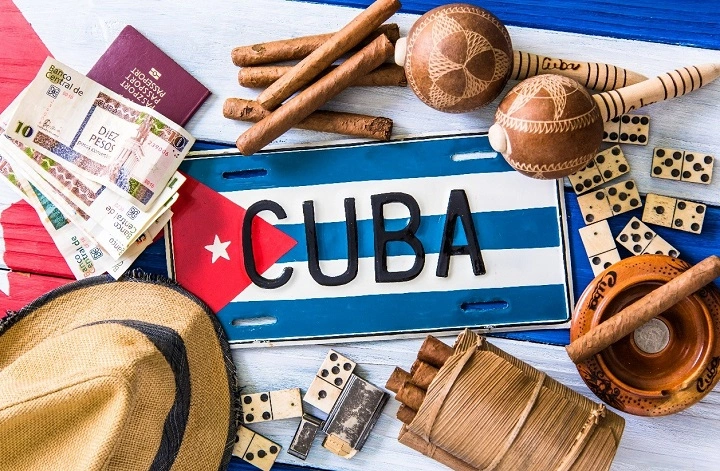
Old cars, cigars, tobacco fields – these are what most people picture when they think of Cuba. Picture those postcards showing retro vehicles rolling past crumbling walls. But look closer. Life there evolved differently because it was cut off from outside help. Cut off meant inventing new ways just to keep going. Not gadgets or apps – but how food grows, how clinics run. Decades without supplies forced shifts nobody planned. Farms started relying on compost instead of chemicals. Doctors began visiting homes more than hospitals. Scarcity became the teacher. Necessity guided changes in soil, seeds, medicine. The system bent but did not break. What looks frozen at first glance actually shifted quietly underneath.
Quick Cuba Interesting Facts
Here are a few interesting facts about Cuba before exploring the details:
- Cuba developed large-scale urban farming after losing Soviet support.
- Many doctors live and work within the communities they serve.
- Classic American cars remain on the roads through creative repairs.
- Education remains widespread despite limited resources.
- Daily life often depends on reuse, local solutions, and community support.
Cuba Turned Cities Into Farms
When the Soviet Union fell, Cuba suddenly had almost no oil coming in. Machines meant for farming stood still. Without supplies, growing food got much harder. A steep drop in crops came next. Instead of one clear fix, people tried many small fixes at once. These makeshift solutions slowly shaped a new approach. Big government-run farms faded out. In their place, gardens sprang up across cities. Empty spaces downtown were used differently. People built organopónicos there – growing areas without soil, fed by homemade drip systems and waste turned into rich dirt. Most of Havana’s fresh vegetables come from gardens right inside the city. Not because people suddenly cared more about nature – but because they needed food.
Farming Grew Through Shared Knowledge
Out here, life grows without lab-made helpers. Tiny worms, wild mushrooms, and soured green matter keep bugs in check – thanks to minds working in Havana’s labs. Not every trick came from a textbook; some sprouted right from backyard trials, while older know-how drifted down from places like INIFAT. Journals from abroad? Hard to find. So farmers passed secrets hand to hand, talk to talk, plot to plot. Lateral movement carried the information, never handed down from above. Farming shared its knowledge openly long before that phrase became trendy beyond computer folks.
Cuba’s Healthcare System Works Differently
Doctors are everywhere in Cuba. That fact stands out globally. Training programs grew fast back in the 60s and then again through the 70s. Yet what really sets things apart is the setup behind treatment. The way health services run follows an odd rhythm few places copy. Out here, physicians reside where their patients do. Homes double as clinics, sometimes without much change at all. Rooms meant for couches now hold exam tables instead. Checking vitals slips into daily rhythms – like chatting about health mid-stroll down the sidewalk. These moments add up, quietly, like any habit woven into mornings.
Local Clinics Handle Most Care
Most patients stay out of hospitals now. Local clinics handle long-term illnesses instead. During supply gaps – like missing insulin, certain antibiotics, or basic supplies – treatment plans shift quietly. Choices come from real patient outcomes seen over time, not only international rules. A case in point: Cuba made its own meningitis shot along with a treatment for lung cancer called CimaVax-EGF. Not due to being ahead in biotech – rather, limits on imports pushed local fixes.
Out here, med students learn to make do. Scans and blood tests? Not always around, so they get good at spotting signs hands-on. When gear’s missing, bodies tell their own story. Online consults didn’t take off fast because people lost signal mid-sentence. Spotty Wi-Fi meant talks popped up only when the net held – short bursts between dropouts.
Also Read: Texas Fun Facts
Classic Cars Stay on the Road
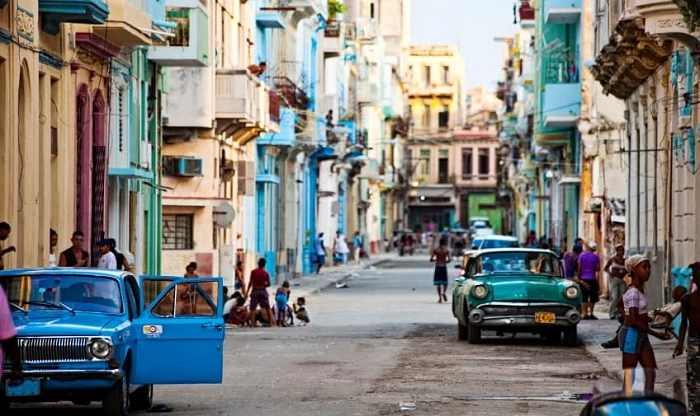
Older cars still roll down roads because they must. Nostalgia does not keep engines running. Factories stopped making pieces years back. Clever fixes take their place now. Scrap piles give life to broken alternators. Handles once used on cabinets now open car doors. A man in Camagüey swapped a meat grinder handle, reshaped it, now uses it as a shifter top. Not quick patches – these methods stick around, handed down quietly between tinkerers who never signed up for school.
Transportation Adapts to Shortages
Some days buses roll out late or not at all. When fuel runs low, routes shrink fast. Out in quieter places, you’ll see wagons pulled by horses hauling sacks and crates. Trucks are hard to come by, since most folks can’t buy one outright. Stuff moves any way it can – sometimes right alongside people in shared rides. Standing by the road with a raised hand? That’s just how trips begin now. On some rides, officers sit beside regular passengers. When official networks fall short, people find their own way around the gap – so blurred lines emerge where services mix.
Everyday Energy Looks Different
Out here, power lines show what breaks just as much as what holds. When lights cut out again, people shift their days – meals get made before dark hits. Pages are read under dim beams held in hand. You’ll spot shiny squares on some roofs now, catching sun where they can, yet whole blocks stay without. Out by the shore, tiny wind machines spin using old bits and pieces welded together. Even so, most power flows from tired heat-driven stations, some still clanking along on blueprints older than their operators.
Education Continues Despite Limited Resources
Most people can still go to school. Even when materials run low, lessons keep going. Old books pass from student to student over time. Writing surfaces show cracks but remain useful. Reading skills hold strong across regions. Instructors also help lead local efforts beyond class. Farming basics show up in regular classes at country schools. Math time might mean studying how fields change crops each season.
Tourism Has Changed Daily Life
Money from travelers mixes things up. Because of foreign cash, two kinds of economies start to form. Tips in hotels can beat a month’s hospital pay. That shift shakes how people feel about their work. Doctors might end up showing tourists around town instead. Renting out spare rooms becomes common too. A few stop treating patients altogether. Overseas money sent by Cubans changes how households spend. When someone has family abroad, they often get phones, gadgets, or bikes more easily.
Internet Access Is Growing
Still, internet connections have grown since 2018, though speed lags behind cost. After hours, public Wi-Fi spots crowd up fast. While social platforms gain users, face-to-face talk sticks around strong. Word travels by chat, scribbled paper, pinned notices on wood. False ideas move quick – but useful news does too: location of supply trucks, medicine at clinics.
Daily Life Is Built Around Reuse
Out here, toughness isn’t loud. What shows up most is quiet reuse – jars holding grain again, sheets hung just so to spare frayed edges, time reset by hand once electricity stutters back. Power stays locked in official hands, yet mornings unfold through small fixes people make without asking.
Out of limits come routines. Not some grand design, just patterns piling up over time. What you see grows from pressure, not belief. Where people act follows what surrounds them, not ideas they hold. Breakdowns happen slowly – twisting first, then cracking, later reshaping without announcement. Time does not stop in Cuba. Things come together there, piece by piece, without fanfare.
More Cuba Interesting Facts
- Havana produces much of its fresh vegetables through urban gardens.
- Community-based healthcare is a defining feature of Cuba’s medical system.
- Many classic American cars remain in use through handmade repairs.
- Schools continue operating despite shortages of supplies.
- Reuse and repair are common parts of everyday life across the country.
Frequently Asked Questions (FAQs) About Cuba Interesting Facts
Why are there so many old cars in Cuba?
Many older American cars remain in use because importing new vehicles and replacement parts has been limited for decades, leading people to repair and modify existing cars.
Why is Cuba known for urban farming?
Urban farming expanded after fuel and agricultural imports declined, encouraging cities to grow food locally using organic methods.
Is healthcare free in Cuba?
Cuba has a publicly funded healthcare system, with community-based clinics playing a major role in everyday medical care.
Why is internet access limited in Cuba?
Internet access has expanded in recent years, but speed, cost, and infrastructure still vary across different areas.
What makes Cuba unique?
Cuba stands out for how communities have adapted to long-term shortages through local innovation, repair, reuse, and neighborhood cooperation.
Out of limits come routines. Not some grand design, just patterns piling up over time. What you see grows from pressure, not belief. Where people act follows what surrounds them, not ideas they hold. Breakdowns happen slowly – twisting first, then cracking, later reshaping without announcement. Time does not stop in Cuba. Things come together there, piece by piece, without fanfare.