
Cuba Fun Facts: Interesting Facts About Cuba You Probably Didn’t Know

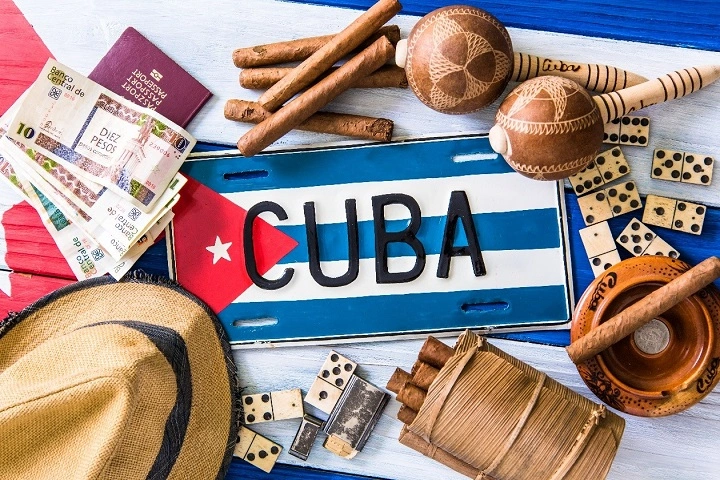
Music carries Cuba’s pulse, yet that beat echoes beyond sound. Inside small gestures of routine – the way objects shift, fail, mend, or stand untouched – something steady hums. Decades cut off from outside supply chains built this reality: improvisation runs deep. Old machines breathe because someone figured out repairs without manuals. Havana streets roll with vintage vehicles held together by custom fixes – not charm alone keeps them going. Limitations do not always block progress; sometimes they steer it down back roads. What feels like delay might actually be another form of movement.
Quick Cuba Fun Facts
Before exploring the details, here are some of Cuba’s most interesting facts:
- Cuba is famous for keeping classic American cars running decades after they were built.
- Many appliances are repaired instead of replaced.
- El Paquete Semanal became an offline way to share movies, music, and software.
- Urban farming supplies fresh vegetables to many neighborhoods.
- Cuba has one of the world’s highest literacy rates.
- The country trains thousands of doctors who work around the globe.
Everyday Life in Cuba Is Built on Resourcefulness

Cuba stands out when it comes to making do with what’s available. Because of decades-old trade limits and tight budgets, everyday items rarely come straight through normal routes – if they arrive at all. People find ways around shortages by swapping skills, parts, or advice beyond government oversight – some experts label these networks “parallel supply chains,” though they’re not illegal by default.
Repairing Instead of Replacing
Take a broken fridge: instead of tossing it, someone may rebuild it using pieces pulled from other devices. Over time, those makeshift changes stick – not as stopgaps, but as lasting solutions.
Cuba’s Classic Cars Have a Practical History
Old cars in Cuba tell a story bigger than nostalgia. Those shiny 1950s American models? They stayed on roads not for love of classics. When the U.S. cut off car shipments in 1960, fresh supplies vanished. Keeping aging vehicles running turned into survival.
Mechanics Learned Through Experience
Tinkering grew essential. Fixers learned to piece together motors from whatever was at hand – welding Russian diesel guts into decades-old Cadillac frames. Some areas focus only on certain fixes. Training isn’t set by rules; skills come from family lines or learning beside someone experienced.
Bicycles Became Essential During the 1990s
Bikes matter just as much as vehicles do. When the Soviet Union fell in the 1990s, oil vanished overnight – Cuba had to adapt fast. Instead of waiting, people turned back to bicycles out of necessity.
Transportation Still Works Differently
From China came a flood of two-wheelers, shipped by the state in massive numbers. In places such as Camagüey and Cienaga, riders still weave through streets daily. Tourists rarely notice them now. Tiny buses run sometimes, though schedules slip through cracks. Most folks pile into personal cars called colectivos, drifting along set roads without official backing.
Cuba Once Shared Digital Content Offline
Out here, ways of sharing info feel familiar. Right up to about 2018, getting online stayed tightly limited. Until that point, islanders turned to actual objects to swap data.
El Paquete Semanal
Files – films, tunes, programs, sometimes reports – got saved onto thumb drives and external storage units. Every seven days, these copies moved hand to hand across quiet circuits. One method stood out: a massive bundle known as El Paquete Semanal. Come Friday, it refreshed with close to a full terabyte, passed along using small devices you could carry. Paying just a little, people got their own copies. Though the law did not ban it outright, authorities had no oversight.
Blackouts Changed Everyday Routines
Out in the open, wires dangle where grids should be strong. When heat builds up, blackouts follow close behind.
Homemade Backup Power Systems
Most houses wait it out with makeshift systems – no gas guzzlers here, just old car batteries wired to broken-down inverters pulled from junk heaps. Sun catchers on rooftops appear now and then, bought with money sent home by relatives overseas or tips saved from guiding tourists around town, put together without permits or inspectors showing up.
Tourism Brings Opportunity and Challenges
Out here, tourism fuels both survival and strain. Money flows in, yet everyday life twists under its weight.
Two Different Economies
Where travelers gather, costs climb so high that regular paychecks barely cover rent. One world opens for those paid in pesos – CUP wages stretching thin. Another thrives on dollars slipped into hands or earned from guest rooms rented after dark. These split lives shape who gets a home, where people eat, even what shows up on plates.
Urban Farming Helps Feed Cuban Cities
Out here, growing food gets tricky fast. Even though government fields control most acreage, city farming started climbing in the 1990s.
Organopónicos Keep Neighborhoods Supplied
Nowadays you’ll find countless organopónicos tucked into empty patches – tiny organic plots relying on compost and hand work. Fresh vegetables come straight from these spots, which means fewer trips needed from faraway hubs. Workers sometimes run farms together, sharing extra earnings among themselves. Even when harvests differ year to year, these setups tend to hold up well in lean times.
Cuba’s Healthcare System Is Recognized Worldwide
Proud of their system, people in Cuba value medical service highly. Sending doctors around the world, the country runs big training programs that fill global roles.
Free Healthcare Has Its Limits
While care at home costs nothing and reaches everyone, hospitals often run low on essentials. Missing simple items such as thread for stitches or clean hand coverings shows up clearly in daily work. Still, results like baby death rates match those in richer countries. Keeping this going depends on close local oversight. Small clinics watch people’s health closely, focusing on stopping problems before they start instead of waiting for crises.
Education Remains a National Priority
Most people can read and write, nearly everyone. Over ninety-nine percent manage it somehow. Classrooms keep going even when walls crack or supplies run thin. Books pass from one student to another, year after year. Gadgets rarely show up in lessons, yet teachers rely on memory drills plus spoken tests instead. Old ways fill gaps where screens would sit.
Cuba’s Currency System Changed in 2021
Out of nowhere, the dual currency system vanished when Cuba ditched the CUC in 2021, folding everything into the local CUP.
Daily Life After the Currency Change
Prices shot up fast after that shift, yet paychecks stayed frozen, leaving people able to buy less than before. On a different note, certain shops filled with goods cater only to those using dollars or loaded cards sent from abroad. Because of this gap, one reality forms for locals, another takes shape where hard currency flows.
Cuban Spanish Has Its Own Character
Oddities stick around in speech. Some phrases in Cuba’s version of Spanish come from African languages, mixed with bits of Haitian talk and old-time colonial words.
Regional Differences in Speech
Listen closely, you will hear how west sounds nothing like east – migration patterns shaped that split. The way people speak shifts across areas, each place holding on to its own flavor.
More Interesting Cuba Fun Facts
- Classic American cars often contain parts from several different vehicles.
- Weekly offline media sharing became part of everyday life before widespread internet access.
- Urban gardens continue supplying fresh produce across Cuban cities.
- Repairing household items is often more common than replacing them.
- Cuba’s medical training programs send doctors to many countries around the world.
Out of everything, it’s not toughness that catches your eye – it’s how change becomes everyday. Getting by here does not rely on big breakthroughs. Instead, things move forward through small shifts – one fixed cable, a lifted shared drive, someone passing along a document. What counts as moving ahead shows up in steady ties, working gear, dinners made even when conditions are rough.
This is not about victory. Instead it lives inside endless talks – over rules, lack, weather shifts, and how little day remains.