
Bagel Nutrition Facts: What You Should Know Before Your Next Bite

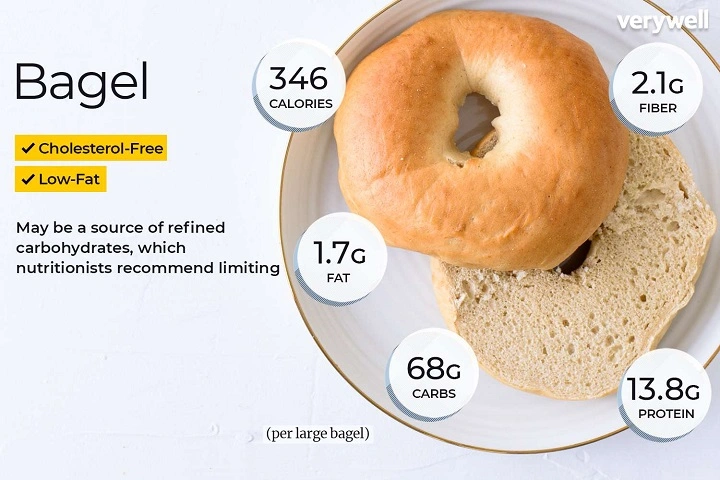
Morning meals sometimes revolve around bagels, though what they do inside the body shows up in subtle ways – not sweetness but form. About 260 to 350 calories live in a basic version, drawn largely from processed wheat. It is not the number on the scale that shocks – it is the speed carbs move once eaten, shaped by a boil before baking. That heat softens starch so deeply, sugars arrive quicker than in many loaves, yes even common sliced white bread.
Fiber Content
A typical store-bought bagel is low in fiber. Often, it offers only about 1 to 2 grams – nowhere near enough for a full day. When food lacks fiber, your body breaks it down fast. That speed causes blood sugar to jump quickly. After that rush, fatigue often follows soon after. Ever feel tired around late morning after eating a bagel? It is not random. Your body’s rhythm struggles with how that food breaks down.
Protein in Bagels
A typical bagel brings about 9 to 10 grams of protein – modest, yet stands out among baked goods. Though it doesn’t pack a huge punch, what you add makes a difference. Peanut butter or cottage cheese can push protein close to double. Fullness stretches longer with eggs, smoked fish, or even hummus on board. Not size doing the work, but amino acids plus fats changing how satisfaction lingers.
Sodium Levels
Out of nowhere, sodium levels can spike high. Many pre-made options pack 400 to 500 milligrams, nearly hitting a quarter of what most people should eat in a day. While mixing the dough, it steps in quietly – shaping how soft or firm things turn out, also slowing spoilage. Yet when slapped onto bread already loaded with savory toppings, the salt slips in unseen.
Vitamins and Minerals
Some nutrients get hidden behind enrichment. Take bagels in places such as the U.S. – the white flour inside is boosted with manufactured B vitamins: thiamin, riboflavin, niacin, plus folic acid and iron. None of these were ever part of the original grain; instead they arrive later, sprayed on after refining. That tidy vitamin line-up you see? It’s there because rules say so – not because wheat naturally offers it.
Seeds and Added Ingredients
Tiny seeds tweak things a bit. Sesame or poppy, maybe oats – they bring just a little fat and faint mineral hints. Some bran-heavy picks carry small amounts of beta-glucans, which might gently nudge cholesterol levels. Still, differences stay slight if whole grains aren’t leading the ingredients – a role they almost never fill.
Portion Size Matters
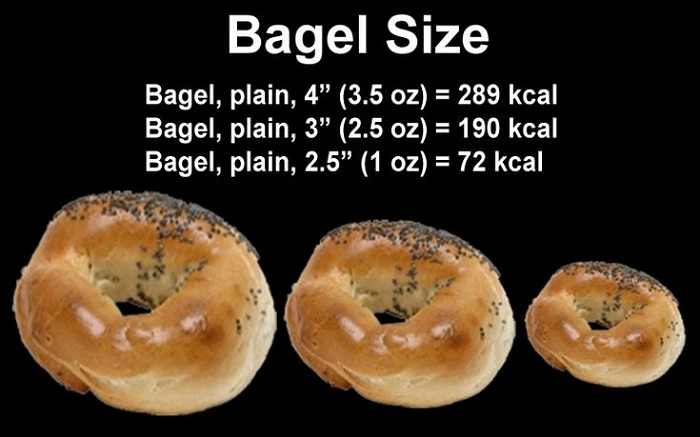
A single morning meal item can mislead without warning. Picture a round bakery product now – its carb amount matches about three standard bread servings. Still, because it sits on a plate as just one piece, people tend to downplay what they’re actually eating. Paying closer attention to how much food is served shifts results far more than swapping labels ever could.
Whole-Grain and Sprouted Options
Some options stand out – like whole-wheat or sprouted grain, which can pack twice the fiber. Yet flavor and texture shift noticeably. People tend to adapt not because they’re told it’s healthier but simply from repeated contact over time.
One decision alone won’t make a diet work. When it comes to bagels, they can belong – so long as what you pile on matters, how often shows up in your routine, and how your body handles them stays part of the picture. What something is made of doesn’t tell the whole story. It’s when you eat it, what else lands on the plate at the same time, and whether it happens regularly that changes what it does inside you.