
Fun Facts About Gold That Make This Precious Metal So Fascinating

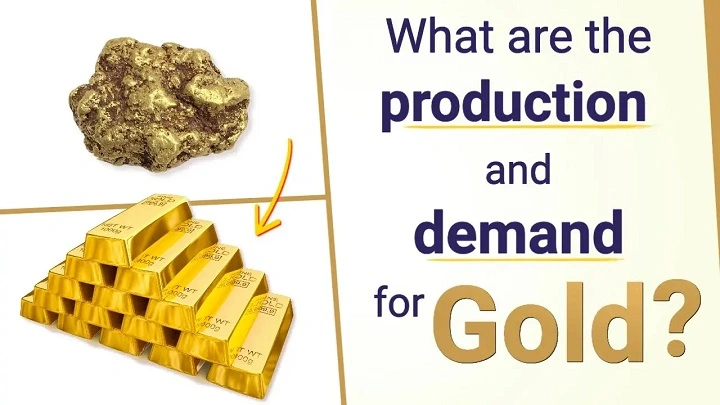
Old coins that gleam? That is gold’s doing. Buried for centuries, it stays clean. This quiet shine happens through chemistry, never magic. Most metals face damage from oxygen. Sulfur does harm too, also wet air. Gold refuses to react. Never changed its way. Most days, stuff just slides right off. It doesn’t wear down, ever. That steady strength pulls folks toward it when giving up isn’t allowed. On satellites, a whisper of gold wraps certain electric parts. Even in wild environments, those links stay alive thanks to that coat.
Gold Can Be More Valuable in Old Electronics Than in Ore
A single ton of old mobile phones holds greater amounts of gold compared to what’s found in seventeen tons of raw mined rock. Pulling valuable substances from used electronics has become an actual source in worldwide material flows. Still, just a small portion of electronic trash is handled the right way. A lot slips into unofficial recycling paths, where usable parts disappear while harm to nature becomes likely.
Gold Is Incredibly Stretchy
One gram of pure gold stretches close to two kilometers, forming a thread finer than human hair. Thanks to that stretchy nature, it finds roles where beauty isn’t the point. Inside spacecraft gear, delicate gold filaments carry signals without breaking down. Heat shifts or harsh rays won’t stop them.
All the Gold Ever Mined Is Smaller Than You Think
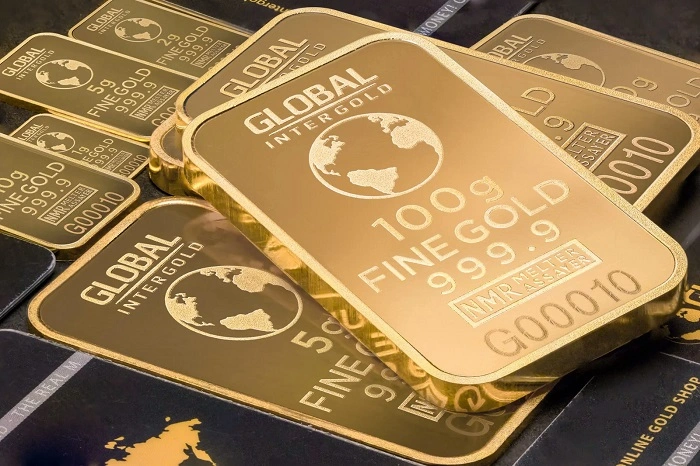
Just under a quarter million metric tons of gold has come out of the ground since people began digging. Picture that amount forming a block about 21 meters on each edge. Sitting beside a basketball court, it’d rise slightly higher than two stories. Seeing it like this removes the fantasy of endless riches. What we’ve mined isn’t nearly as vast as imagined.
Much of the World’s Gold Sits in Vaults
About a third of visible gold sits in central bank vaults. Yet checking what is actually there happens almost never. Reports come out each year, although hardly anyone from outside confirms the numbers. Trust builds more through reputation than hands-on checks.
Pure Gold Is Softer Than Most People Realize
Gold on its own bends easily. Even a finger can leave marks. When stamped “18-karat,” it holds just three out of every four parts gold. Copper or silver fill the gaps, adding firmness. Most people who wear it rarely meet pure form. The strength they sense usually comes from mix-ins, not gold alone.
Gold Passes Through the Human Body Unchanged
Gold does nothing inside the human body biologically. Through the digestive system, it moves without changing shape or form. In past times, certain societies ate gold leaf simply to show status, never for health. Nowadays you might find tiny bits in medical tests because it stays put and shows up clearly under magnification.
Gold Rushes Changed Entire Communities
Streets in New Zealand used to shimmer underfoot, made of clear quartz with specks of gold caught inside. When gold fever hit in the late 1800s, people tore apart sidewalks just hoping to find a hint of treasure. Today, what remains is plain rock. Nothing glittering is left behind. What looked like endless riches at first lasted hardly any time at all, revealing how short-lived such digging sprees often turn out.
Gold Is Used in Space Technology
Not just seen in rings or money, gold shows up elsewhere. Satellites carry tiny bits because it won’t rust when things heat up. Even if conditions turn harsh, electric signals still flow without fail. When fixing something isn’t an option, engineers lean on its steady nature. Space gear relies on this quiet strength more than most realize.
Gold Reflects Heat and Radiation
Thin layers of gold can reflect infrared radiation. Because of this, astronauts’ helmet visors often contain a gold coating. The layer helps block harmful radiation while still allowing clear vision. It is one of the many ways gold protects equipment and people in space.
Still shiny after centuries, gold doesn’t corrode like other metals. Thin enough to transmit light, it can be pulled into threads thinner than hair. Hidden in gadgets we use daily, this metal handles intense heat without failing. Often tied to riches, its role in culture runs deeper than coins suggest. Curiosity drives us to bend it, study it, send it where few materials last. Not just stored in vaults, it moves through labs, circuits, ancient artifacts. Its journey mixes chance discoveries with careful experiments across ages. More than a prize, it quietly powers parts of modern exploration.