Interesting Facts About the Moon: Amazing Secrets of Earth’s Closest Neighbor

People looked at the Moon forever. Like, really forever.
It made poets write poems. It helped folks find their way home. It gave us ways to track days. And the stories! Way before we had fancy tools, people watched the Moon change. They used it to know what month it was.
You see it up there each night. Looks simple, right? But wait – the Moon has tall hills. Hidden ice. Weird shakes.
Let’s check out some neat Moon facts.
The Moon’s Age
The Moon is about 4.5 billion years old.
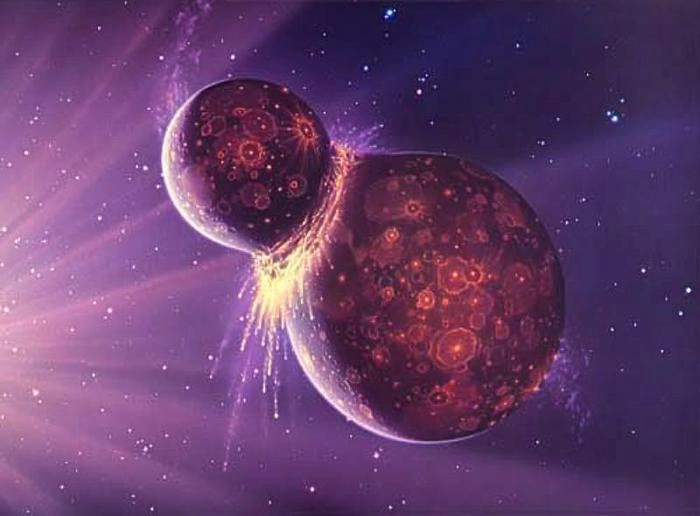
Smart folks think it formed right after Earth did. Here’s what they think went down. A huge rock – big as Mars – crashed into baby Earth. They call this rock Theia.
The crash was massive. Stuff flew into space.
All that stuff came together. And boom – the Moon!
Think about this. The Moon was here way before dinos. Way before any big life forms.
The Moon Is Slowly Moving Away
The Moon is leaving us. Slowly.
Every year, it moves about 3.8 centimeters away.
Sounds tiny, right? But over millions of years? That adds up big time.
How do we know this? Apollo guys left mirrors up there. We shoot lasers at them. The light bounces back. This tells us exactly how far away the Moon is.
The Moon looked bigger in the sky long ago.
The Moon Controls Earth’s Tides
The Moon has a big job.
It pulls on our oceans. That’s gravity doing its thing.
Earth spins. Different parts move through these pulls. Water goes up. Water goes down. That’s tides!
Without the Moon? Tides would be tiny.
These water moves shaped our coasts. They helped sea life grow. Some smart folks think tides helped life start in the first place.
The Moon Always Shows Us the Same Side
Ever notice the Moon looks the same?
That’s because we only see one side. Always.
This happens because the Moon is locked. Which means it spins and goes around Earth at the same speed.
So the same side always faces us.
For ages, people wondered about the other side.
We didn’t see it until the 1950s. Space ships took pictures. And guess what? The far side isn’t dark all the time. It gets sun just like our side.
There Is Water on the Moon
For years, we thought the Moon was dry.
Turns out – wrong!
There’s ice at the Moon’s poles. In dark holes. These spots never get sun.
The ice has been there forever. Like, billions of years.
This is huge for space trips. Water means drinking. It means air to breathe. It means rocket fuel too.
That’s why space folks want to go to the poles.
The Moon Has Moonquakes
Earth shakes. The Moon shakes too.
We call them moonquakes.
Apollo missions left tools up there. These tools found the shakes.
Why does the Moon shake?
- Earth pulls on it
- Space rocks hit it
- It gets hot and cold
- Stuff moves inside
Some shakes last way longer than earthquakes. The Moon’s insides make vibrations travel weird.
We’re still learning about this.
The Moon Has No Atmosphere
The Moon has no air. None.
This means a lot of things.
No weather. No wind. No rain. Nothing.
Those footprints from Apollo? Still there. They’ll stay for millions of years. Nothing to erase them.
Also, it gets super hot and super cold.
Day time? About 127°C. That’s 260°F. Hot!
Night time? About -173°C. That’s -280°F. Cold!
These big swings make Moon trips hard.
The Moon Has Mountains and Valleys
The Moon isn’t smooth. Not at all.
It has:
- Big mountain ranges
- Deep valleys
- Huge dips from impacts
- Tons of craters
One mountain, Mons Huygens, is 5.5 kilometers tall. That’s really tall!
Space rocks have been hitting it forever. No air means they hit hard. They make all these shapes.
The Largest Crater Is Enormous
Check this out. The South Pole-Aitken Basin.
It’s about 2,500 kilometers across. That’s huge!
It’s one of the biggest hit marks we know. In the whole solar system!
A giant space rock made it. The hit was so hard, it might show stuff from deep inside the Moon.
This helps us learn about the Moon’s past.
The Moon Is Not Perfectly Round
People think the Moon is round. Like a ball.
Nope.
Earth’s pull and the Moon’s own history changed its shape. It’s more like a wonky egg than a ball.
These small changes affect gravity. They make flying around it tricky.
Humans Have Only Visited the Moon Six Times
From 1969 to 1972, NASA sent people to the Moon. Six times total.
The trips were:
- Apollo 11
- Apollo 12
- Apollo 14
- Apollo 15
- Apollo 16
- Apollo 17
Only 12 people have walked up there. Just 12!
Neil Armstrong went first. July 20, 1969. Big day!
Eugene Cernan was last. December 1972.
No one’s been back. But lots of countries want to go soon.
The Moon Glows Because of the Sun
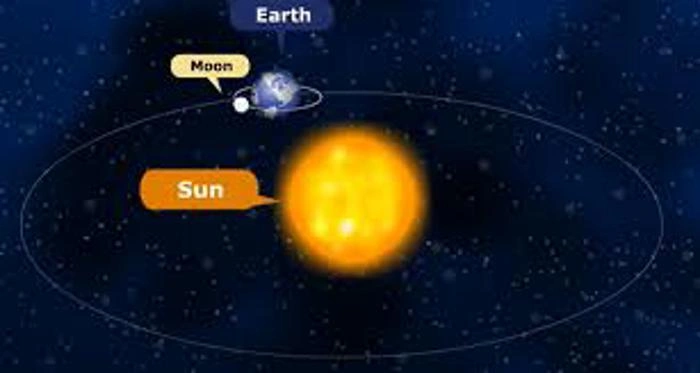
The Moon doesn’t make light.
It just bounces sunlight. That’s the glow we see.
Here’s a fun fact. It only bounces about 12 percent of the light. That’s not much!
Put it next to snow? The Moon looks gray. Kinda dark, actually.
Also Read: Untitled Tag Game Codes – Tapping into Roblox’s Quickest Playground
A Day on the Moon Lasts Nearly a Month
Time is weird on the Moon.
One Moon day? About 29.5 Earth days.
That means two weeks of sun. Then two weeks of dark.
This makes solar panels tricky. And Moon bases too. You need stuff that works in both.
The Moon Helps Stabilize Earth
The Moon does more than make tides.
It keeps Earth steady. Our tilt stays pretty much the same.
Without the Moon? Earth would wobble. A lot. The weather would go crazy. Life would have a hard time.
So the Moon helps keep Earth nice for living things. Pretty cool, right?
Future Moon Missions Are Already Underway
Everyone wants to go back to the Moon.
NASA wants to go. Europe wants to go. China and India too.
They want to:
- Build bases that stay there
- Get stuff from the Moon
- Do science
- Test gear for Mars trips
The Moon might be our first stop to deeper space.
The Moon is more than a pretty light.
It’s a whole world up there. Full of secrets. Full of history.
It started with a huge crash. Now it makes our tides. It keeps Earth steady. It shapes life itself.
We’re still finding new stuff. New missions will teach us more. People will walk there again.
Next time you see the Moon, think about this. That light has stories. It’s been watching Earth forever. And it’ll keep watching for ages to come.