Cool Facts About Spanish: Fun Stories Behind One of the World’s Most Spoken Languages

Spanish is way more than hola, gracias and adiós. Listen closely. The words start telling stories. Old stories. Like, from way back. It grew from Latin. But it picked up tons of words from Arabic too. One letter got so cool it earned its own spot in the alphabet. And that upside-down mark ? It warns you a question is coming. Pretty neat, right ? Spanish also sounds different in Madrid than in Mexico City. Or Buenos Aires. What does one language look like ? It’s got tons of accents and hidden bits of history.
Spanish Developed From Latin
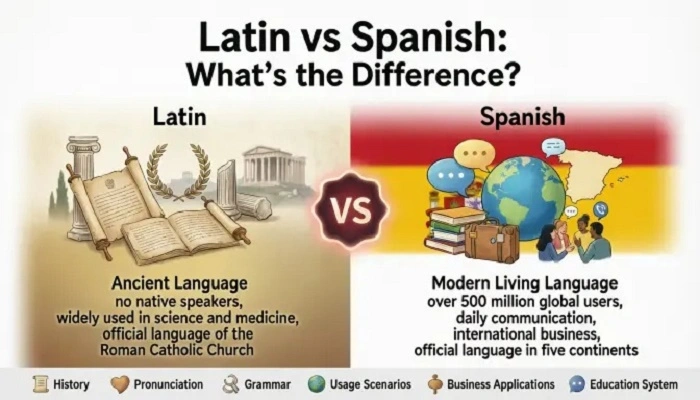
Spanish comes from the Romance language family. That means it grew from Latin. You know, the stuff Romans spoke. Over time, Latin changed in different places. It turned into Spanish, French, Italian and more. Modern Spanish still has thousands of Latin words in it. But the sounds and rules ? They’ve changed a lot since those old days.
Spanish Has a Special Letter: Ñ
The letter ñ is super easy to spot. It’s like a flag for Spanish. It started way back. Writers got lazy. They put a little mark over repeated letters. That mark became the tilde we see now. Here’s the thing. Change ñ to plain n ? Big mistake. Año means “year.” But ano ? Totally different meaning. Trust me on this one.
Arabic Left Thousands of Words Behind
Spanish has a strong Arabic flavor. Muslim rule lasted for ages in Spain. Arabic mixed with local talk. It left a deep mark. Words like azúcar for sugar ? Arabic. Aceite for oil ? Arabic too. Even almohada for pillow. And ojalá ? That’s what you say when you hope for something. Yep, Arabic roots.
Questions Begin Before They End
Spanish doesn’t make you wait. You know it’s a question right away. See that upside-down mark, ¿ ? It starts the question. Regular ? ends it. Same deal with shouts. ¡ starts them. ! ends them. This helps a lot. You get the tone fast. No guessing needed.
Spanish Sounds Different Across Countries
Someone in Argentina sounds different from someone in Spain. Or Mexico. The words change. The sounds change. Even some grammar shifts. A simple thing might have five different names. Depends where you are. But here’s the cool part. People still understand each other. Each place just has its own vibe.
Spain Is Not Home to Most Spanish Speakers
Spanish started in Spain. But most speakers ? They live somewhere else. Latin America has tons of them. Mexico. Colombia. Argentina. Peru. The United States too. Lots of Spanish there. Centuries of moving around changed everything. A European language became an Americas language.
Some Spanish Words Look Surprisingly Long
Spanish can make really long words. Like, super long. Take electroencefalografista. That’s someone who works with brain scans. Whoa, right ? Don’t worry though. Normal Spanish uses short words. The long ones just show how flexible the language can get.
The Same Word Can Have Very Different Meanings
Words get tricky when you travel. A normal word in one country ? Might mean something weird in another. Torta is a good example. It’s cake in some places. But in Mexico ? It’s a sandwich. This stuff makes real-world Spanish different from textbook Spanish.
Spanish Usually Pronounces Words Quite Predictably
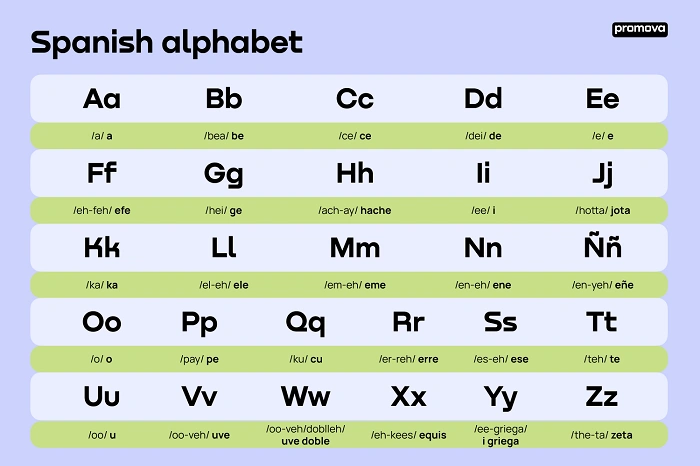
English spelling is confusing. Spanish ? Way easier. Once you learn the sounds, you’re good. See a new word ? You can probably say it right. Vowels are super steady. A, e, i, o, u. They sound the same almost always. Not like English at all.
Also Read: Beyond Flamenco: 50 Fun Facts About Spain You Gotta Know
Spanish Has Two Common Ways to Say “You”
English just has “you.” Simple. Spanish ? Not so much. Tú is casual. Use it with friends. Usted is more formal. Shows respect. But wait. It changes by country. Some places use vos too. So yeah. Saying “you” in Spanish ? It’s a whole thing.
Final Thoughts
Spanish carries centuries of stories. Latin built most of it. Arabic added cool words. The ñ came from old writing tricks. That upside-down punctuation ? Still makes Spanish look unique. Travel around Spanish-speaking places. Accents change. Words change. Even “you” changes. From weird word origins to regional slang. From odd punctuation to easy sounds. Spanish has tons of cool stuff hiding in every chat.
Frequently Asked Questions About Spanish
What is Spanish best known for ?
Spanish is one of the world’s big languages. People speak it in Spain, Latin America and lots of other places. It’s also known for ñ and those upside-down marks.
What is a fun fact about the Spanish language ?
Here’s a fun one. Questions start with ¿ and end with ?. Shouts use ¡ and !. You know what’s coming before you finish reading.
Where did the Spanish language come from ?
Spanish mostly grew from Latin in Spain. Arabic and other languages added words over time too.
Why does Spanish use the letter Ñ ?
The ñ started as a shortcut. Old writers put marks over repeated letters. That practice turned into its own letter.
Is Spanish the same in every country ?
Nope. Spanish changes a lot. Sounds, slang, words and even some grammar differ. Spain, Mexico, Argentina, Colombia. Each place has its own style.