What Is an Indie Game? A Journey Through Creativity, Risk, and Innovation

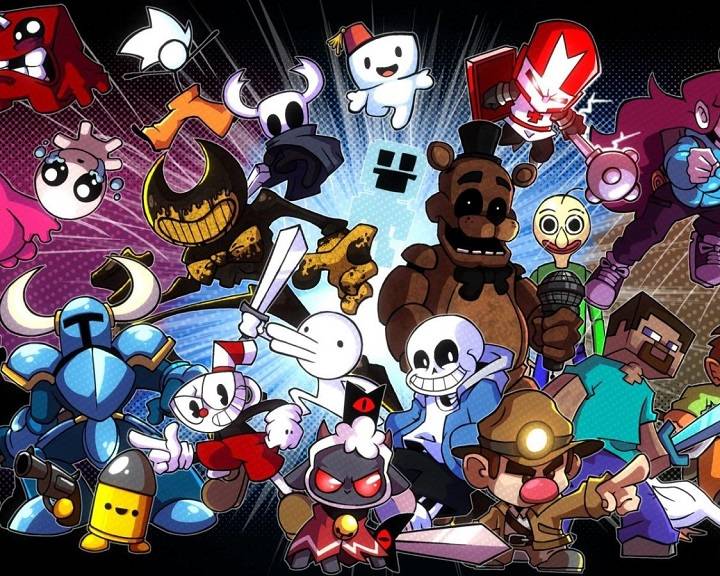
If you step into the digital universe of gaming, and amidst the blockbusters and billion-dollar budgets. Then you’ll find something small, but potent. An experience which is crafted with heart, bold vision, and often, limited resources. We’re not talking about the AAA behemoths. We’re talking about indie games.
Independent games are the Cracker Barrel Peg Game of video games, unassuming, cozy, and satisfyingly smart. They might never be dazzling. But they catch you off guard with humor, charm, and memories that last. You don’t need a Hollywood budget. Just a decent idea and the will to make it happen is enough.
So come along on this trek. We’ll see what makes these games magical. From their humble beginnings to the creative revolutions, they spark across the industry.
What Is an Indie Game?
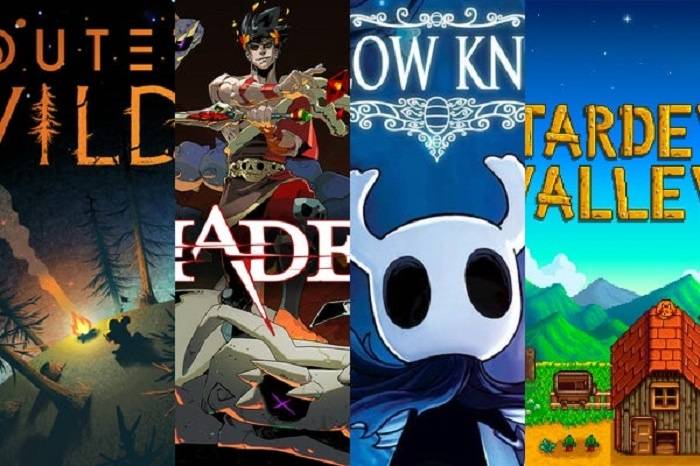
Start with the basics. What even qualifies as an “indie game”? An independent game is a game created by one individual or team who do not have access to the budgets of the big game corporations or their technical expertise. It’s the distinction between a garage band and record label signed to a multinational corporation. Indie game developers fund themselves, crowd-fund, or have small investors rather than companies. Indie games are mastery of the creative process. They’re love projects, created through love, ideas, and fantasies, not corporate focus groups. They’re constructed out of sweat, skill, and soul.
Created by the low-budget studios, typically independently or crowd-published, indie games are pure imagination and creativity. They avoid the bureaucracy of the big publishers and focus on more storytelling, creative gameplay mechanics, or intricate graphics. These are not boardroom-conceived games, these games are created in bedrooms, college dorms, and coffee shops.
Why People Love Indie Games
- Just like the Cracker Barrel Peg Game, independent games may look naively simple at first glance, but are considerably more involved, engaging, and memorable than that.
- They’re one of a kind. Each game is a unique experience. No formulaic cloning or reskinned rehashes of blockbusters.
- They’re human. Independent games approach topics like loss, love, depression, identity, or nostalgia in ways commercial games will not or cannot.
- They’re experimental. Indie developers have no compunction about challenging players out of their comfort zones with something unusual and innovative in design or mechanics.
- They’re personal. You can generally get a sense of the developer’s personality through the game, his sense of humor, his fears, his passion.
And don’t forget affordability. Most indie games are cheaper than your Friday night burger and fries. In a world gone too far out, indie games are an acceptable exception. Like hitting on a hidden trail where few people are aware of it.
Level One: The Roots of Indie Games
Put yourself in the early 1980s. Bedroom coders are working day and night on code on their Commodore 64s, saving on floppy disks, and sending it to magazines to be tested. That is where indie gaming started-not with hype but with blood, sweat, and tears. Fast forward to mid-2000’s; something shifts. Digital distribution goes mainstream. Steam, itch.io, and later the Epic Games Store offer creators a way to sell directly to consumers without publishers.
The smartphone revolution offers another platform of release. The smartphone brings a new battlefield for creators to share their art with millions of humans. Game engines like Unity and Unreal Engine become more accessible. One person is able to build worlds in one night.
Virtual communities: Reddit, Discord, YouTube, and Twitch, coalesce in solidarity with gamers and game makers. Live affirming feedback. World support.
The turning point is this game didn’t survive on its own two feet, it ran into orbit.
Level Two: The Icons of Indie Gaming
Each great journey has its heroes. In the indie game universe, some games lost, won, even if they remapped the game world.
- Minecraft was created by Markus “Notch” Persson. Who was a Swedish independent programmer. What was originally a sandbox started to grow to billions globally.
- Undertale, created and written almost one-man by Toby Fox, defied RPG tradition with humor, fourth-wall breaking, and a heartbreakingly tragic story.
- Stardew Valley, created by Eric Barone over four years, revitalized the farm sim genre and added depth, character, and emotional depth.
- Hollow Knight blended tight platforming with atmospheric exploration, all accomplished by one-man studio Team Cherry.
- Celeste captured fighting anxiety and inner demons in a deeply personal manner—still with an unapologetically sadistic platformer.
- They’re not indie gems. They’re cultural reference points. They prove vision, determination, and determination can outperform larger marketing budgets.
Side Quest: Indie Games That Surprised the World
Sometimes the most terrible games you can think of actually become the best.
- Papers, Please took the everyday drudgery of being a border inspector and transformed it into a high-pressure, morally ambiguous one.
- The Stanley Parable played with the very notion of player agency and game structure while keeping you in stitches.
- Limbo and Iside told potent tales through foreboding visuals and restraint.
- Braid puzzled players as much with puzzles, as metaphoric depth and regretful themes.
These were experiments that worked, and they didn’t need explosions or Hollywood voice actors to make their point.
Creative Risk: The Indie Superpower
Indie developers don’t answer to shareholders. That gives them an incredible advantage: freedom.
- Want to make a game where you’re a goose causing chaos in a quiet village? Done. That’s the Goose Game.
- Want to give interspecies dating with pigeons a try? Welcome to Hatoful Boyfriend.
- They’re gross jokes, but they’re actually games, played by the thousands. Why? Because they’re new and edgy and they’re funny.
With no boardroom to answer to, you can attempt anything. That’s the indie version of bleeding-edge tech. And sometimes the most out-there ideas end up being the best.
The Pitfalls of Making an Indie Game
Don’t get us entirely wrong. The indie approach is full of trapdoors.
- Money is always an issue. The developers have day jobs and code nights.
- Why marketing is a monster unto itself. An amazing game will fail. If it’s not marketed properly.
- Burnout occurs. When one is a coder, artist, writer, marketer, and tester, it occurs too soon.
- Technical constraints are unavoidable. Small groups lack the hardware and knowledge. Which is needed to manage mass-scale development.
Yet, nonetheless, individuals do produce and take independent games. Why? Because they must. Because the idea is simply too great, the urge too strong, the vision too large to be disregarded.
Making Your Own Independent Game
Just like how you can make your own home-made Cracker Barrel Peg Game with a triangular game board and some pegs, so too can you make your own independent game with little more than basic tools.
Select a game engine like Unity or Godot. Utilize some simple art software like Aseprite or Blender. Teach yourself to code the basics through the web. Make something basic—a one-level platformer, puzzle, story clicker.
Magic if you consider it and create it. That first time another person plays your game and smiles? That’s more valuable than a paycheck. And your side game might be the next large success.
Indie Game Jams: The Creativity Speed Runs
Want to push your creative boundaries to their limit? Take part in a game jam.
- Game jams are timed contests. Developers create a game, often from scratch, between 48 and 72 hours there.
- Some of the popular ones are Ludum Dare, Global Game Jam, and GMTK Game Jam.
- They are fun, and insane. But above all, they challenge you. They rid you of too much thinking and challenge you to create, improvise, and get it done.
Most of the best indie games started as jam submissions. It’s more like getting the creative juices going.
Indie game storytelling
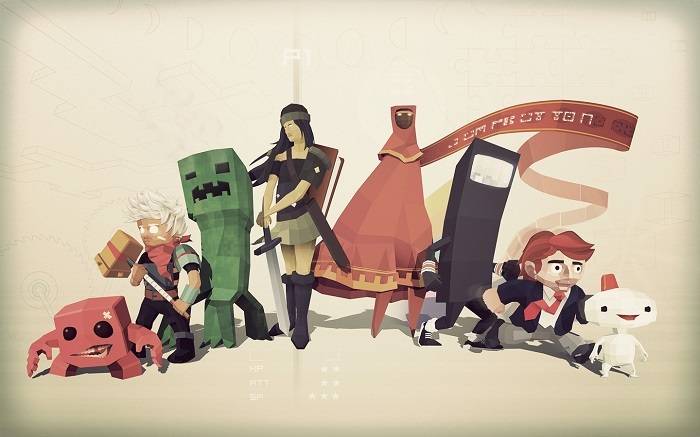
AAA games are blockbusters and explosion moments on a daily basis. Indie games are good at subtle moments and powerful storytelling.
- To the Moon is a beautiful sorrowful love story of memory and loss.
- What Remains of dith Finch explores the tragedy of one family in unmatched brilliance.
- Oxenfree has you on the edge of your seat with ghostly, dialogue-heavy gameplay.
- Night in the Woods replaces depression, rural decay, and existential dread—all told from the point of view of a wise-cracking cat.
They’re not games. They’re experiences. They’re the type of tales you can’t help but linger over once play is done.
The Indie Player Base: Who’s Playing?
Indie games appeal to a broad player base. Artists love the way they appear. Puzzle lovers love the intelligent design. Casual game players love how easy they are to play. Streamers and media professionals love how varied they are.
And emotional players? They see something authentic in independent games. Something authentic and real. Independent games aren’t entertainment, They’re dedicated empathy machines.
Independent Games for Kids and Classrooms
While the Cracker Barrel Peg Game teaches kids logic and patience, stand-alone games can do the job too.
Stand-alone games like Human Resource Machine learn programming skills for entertainment. Kerbal Space Program turns players into rocket scientists. Artful Escape enables kids to learn the art of imagination through music-based storytelling.
Indie school games can break the chalk outline of textbook schooling. Indie games challenge, invite, and introduce abstraction with form.
Indie Games on Consoles and Mobile
No PC? No worries. Indie games also thrive on consoles such as the Nintendo Switch, now formally a playground for indie success stories. They are there on PlayStation and Xbox as well, thanks to increased support from Sony and Microsoft.
There are numerous indie gems present in mobile app stores. And browser games make it even simpler to begin without the hassle of installing anything. If you’re at home, on the bus, or taking a break at work, you’re never far from its adventure.
Fun Fact: Indie Games Spark Big Careers
Many developers launch successful careers through indie games. Some are snapped up by large studios. Others form their own studios and keep making art on their own terms.
And then there are a few? They become legends, known forever as the ones who rocked the industry to its very foundations with nothing but a laptop, a vision, and plenty of drive.
A Revolution Powered by the Community
Independent gaming is not one dude. It’s us. Developers collaborate. Fans donate. Streamers spotlight. Artists create fan art. Modders open things up. Everyone pays it forward.
A rainbow village in the great kingdom of games.
You can join, too. Stream an indie game. Leave a thoughtful review. Support a creator on Kickstarter. Recommend a hidden gem to a friend. In the indie world, every player counts.
Your Next Indie Adventure Awaits
Regardless if you’re a seasoned gamer or a curious newcomer. There’s an indie game waiting for everyone. Like that small triangle puzzle at a Cracker Barrel table. It might not look like much. But if you dive in then you’ll find something beautiful.
So go ahead. Grab your controller. Open your laptop. Browse through itch.io or Steam’s indie section. Pick a game. Play it. And begin your own journey. Each independent game is an expedition into the greater unknown. A path of experimentation, surprise, joy, and sometimes even tears.
But at the end of it? You will have been somewhere special. And that’s the true magic of an indie game.