Cracker Barrel Game: The Timeless Triangle Game That Invites Patience, Persistence, and Unadulterated Genius

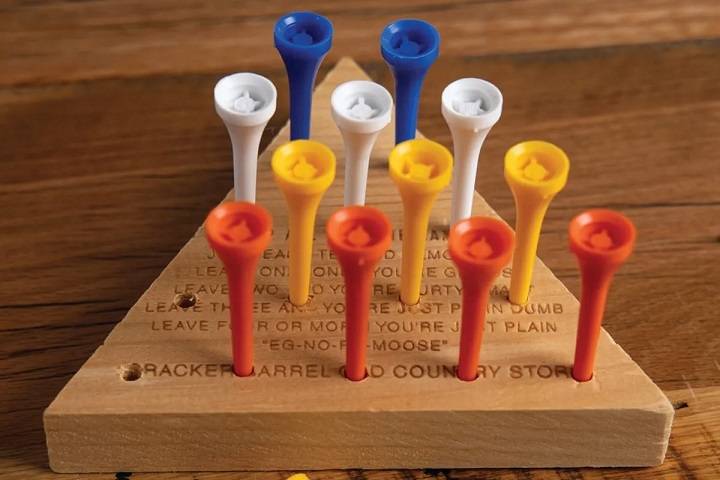
You take a seat at a wooden table, maybe anticipating pancakes or biscuits and gravy, and there it is. Small triangular piece of wood with 15 holes drilled in it and a few golf tees sticking out of them. It’s not flashy. It’s bland. It’s easy to overlook.
But it’s bait.
Welcome to the Cracker Barrel Peg Game, the classic puzzle of brains, strategy, and quiet torment. It looks like it ought to be: a toy box full of children’s games. But adults recognize the gimmick. It is relentless. It is addictive. And when you finally figure it out? You are a genius.
It’s not merely a brain teaser, it’s a road tripper’s initiation, a pancake aficionado’s antidote for boredom, and a universal problem-solving metaphor. Like a short trail in the mountains, it is simple at the beginning but hard at the end.
Let’s start on this trip then, starting with beginnings and gameplay through to great strategies, do-it-yourself adaptations, family fun, crazy variations, and finally, greater life truths. This is not jumping pegs. It’s three ahead in jumps. And sometimes, beginning again.
What Is the Cracker Barrel Peg Game?
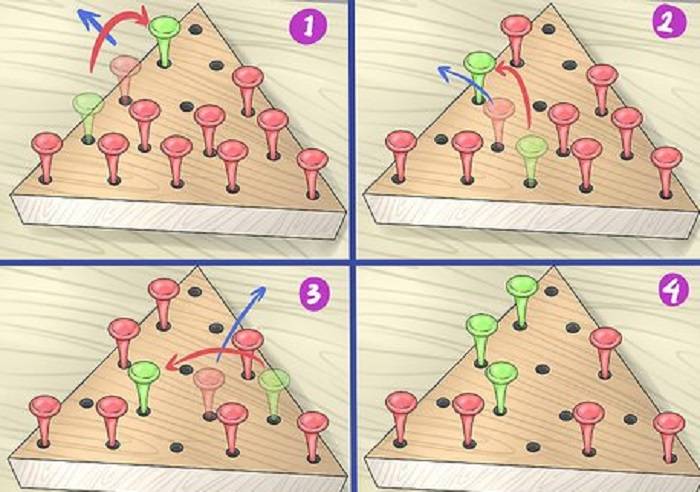
See the trail before we begin the climb. This game is also called Triangle Peg Solitaire. It is a little triangular board featuring 15 pyramid-shaped holes. Fourteen of these hold pegs, and the fifteenth is empty. The objective is to jump pegs over one another (similar to checkers) by taking away the one which gets jumped. You continue to do this until there’s just one peg left. Easy sounding, isn’t. You can only jump horizontally or diagonally, and each jump removes a peg. One wrong move, and you’re stuck with a sad, crowded board and a bruised ego.
Why People Love the Peg Game
- It’s fast. One round takes 2–5 minutes.
- It’s challenging. You’ll rarely solve it on your first, second, or fifth try.
- It’s tactile. The feeling of moving pegs with your fingers is oddly satisfying.
- It’s old-school. To others, it’s a memory activator, breakfast with the kids, family road trips, holiday dinner.
- It’s brain food. Studies have shown that puzzles like this improve short-term memory, spatial reasoning, and planning.
- And the best part, it’s free. No internet, screen, or electricity needed. Just a triangle, 14 pegs, and your complete focus.
Level One: The Basic Rules
Let’s begin where we’re most comfortable, at base camp. Set up the game by reserving one of the 15 holes with pegs. Most people reserve the top hole (hole #1), but it doesn’t matter which hole you reserve.
The rules:
- Jump one peg over an adjacent peg into a reserved hole, removing the jumped peg.
- Jump over solitary pegs only. No jumping over two or more.
- Continue jumping and removing pegs.
- Try to be left with just one peg.
If you have more than one and no move left under the law, the game’s over, and you begin again. Simple rules but a devilishly hard play.
Checkpoint: Where It Came From
The Cracker Barrel Peg Game did not actually begin with Cracker Barrel. The design itself has history going back at least to the 17th century in Europe. There were versions of peg solitaire played in French courts and English sitting rooms. But Cracker Barrel popularized it.
All of its restaurants in America since the 1970s have placed one on each table. From hash browns to sweet tea, millions have poked at it. They made jokes about it, and complained to themselves in hopes of being the winner. It was more than a game. It was Americana.
Side Quest: “If You Leave Just One, You’re a Genius!”
You’ve probably seen the slogan stamped on the game board:
If you get away with:
- 1 peg – You’re a genius
- 2 pegs – Pretty smart
- 3 pegs – Just plain dumb
- 4 or more – You’re just plain “EG-NO-RA-MOOSE”
It’s amusing. A bit tasteless. And completely motivating. But don’t get your feathers ruffled. Most people don’t succeed on the first try. Or the 20th. There are hundreds of possible answers. But only a very small number brings you the one-peg success. That’s the reason it’s so rewarding.
The Classic Triangle Challenge

This is the version you’ll find at restaurants across America. Start with the top hole empty. Pegs fill the remaining 14 spots. Your goal: finish with one peg, ideally in the center. The secret is to control the middle of the board. Many beginners jump pegs around the outside, but that leaves the center crowded.
Pro tips:
- Plan 2–3 moves ahead, not just one.
- Try not to isolate pegs, they’ll become dead ends.
- Don’t always play the same way in. Zig-zagging is better.
- And get stuck? Well, try again from scratch.
It’s not something to be ashamed of to start over. Each time you fail, you learn something new.
Reverse Mode: Playing Backwards
Once you’ve mastered playing forward, turn it around. Start with one peg. Attempt to play the game backwards: you’re removing pegs. Each bound is unwound. Each step retraced. This causes you to consider where pegs have to go in a way in which you anticipate ahead for future moves. It’s a rough-rough means of stretching your mind. And it’s completely casual-looking at first.
Speed Runs and Competitive Pegging
Think you’re fast?
Time yourself. Try to beat someone in a minute. Better yet, challenge a friend. Both of you get one turn. Fastest win or lowest number of pegs wins. Use a timer. Or a “best of five” arrangement.
Just remember: when it gets hot, under the collar, or otherwise, panic makes for bad play. Stay cool. Breathe. Think. Then peg.
Group Play: Pass the Peg
Here, the individual game is translated into group play. The board is passed from player to player after a turn. No explanation. No help. If any player places a dead board (no legal move), the game is lost. It’s zany. Fun. And highly bonding. It is great for family dinners, classrooms, and game nights.
Make Your Own Peg Game
No Cracker Barrel nearby? No problem. You can DIY your own version at home.
What you’ll need:
- A small triangular piece of wood or cardboard
- 15 holes arranged in a triangle (or use dots and markers)
- 14 golf tees, toothpicks, or pebbles
- Draw the holes with a pencil. Mark them as positions 1 to 15.
- You can even paint it, decorate it, or create several boards for multi-player simultaneous use.
It’s a neat kids’ craft project, or anyone who wants an interactive activity.
Digital Peg Game Apps and Sites
Not in the mood to tote around a wooden board? There’s an app for that. There are digital peg games on smartphones and tablets. Some of them provide:
- Undoing moves
- Displaying possible jumps
- Saving game state
- Using various shapes and levels
“Peg Jump,” “Solitaire Peg Puzzle,” and “Peg Triangle Puzzle” apps include unique board configurations, color schemes, and soundtracks. Play on the train. In the airport. Or in bed. Just gotta warn you: the computer version is just as heartless as the original.
Creative Variations to Try
Why limit yourself to the triangle?
Give these a try:
- Diamond Pattern – More pegs, more potential directions.
- Square Grid – A 5×5 peg board that goes positively berserk.
- Circular Peg Board – Pegs placed in a ring, creating unique jump paths.
- Double Triangle – Two triangles connected by a central peg.
Add twists:
- Allow diagonal-only jumps
- Leave two holes open at start
- Use dice to determine your first three moves
The possibilities are countless. You’re not just playing a puzzle. You’re inventing your own.
Classroom and Cognitive Benefits
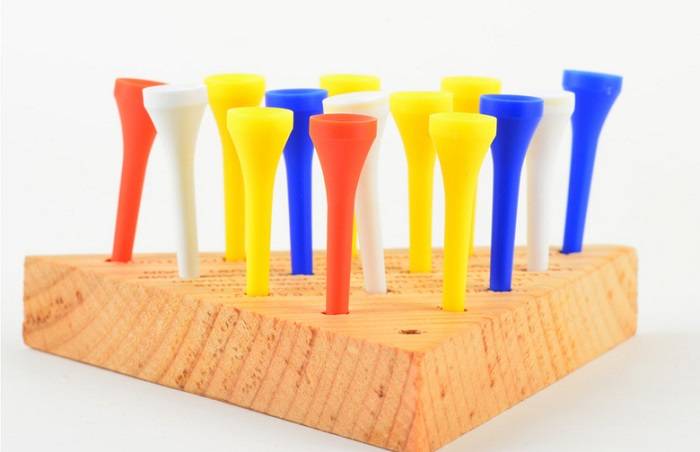
Teachers love the peg game. Why?
Because it teaches:
- Patience
- Problem-solving
- Spatial awareness
- Failure as a step toward learning
- Kids are concentrated. They cooperate. They test.
It’s good for seniors as well. Research indicates that solving puzzles such as this one keep the brain in tip-top condition. Nursing homes, classrooms, and rehabilitation facilities play the game on a daily basis. It’s entertainment with a purpose, it’s mental fuel.
Top Tips for Mastering the Game
Have to get to one peg on a daily basis?
Here’s what really works:
- Master the “Three Jump Start.” Begin with a center opening move.
- Use symmetry. If it can be performed on the left, it should be able to be performed on the right.
- Avoid trapping corners too soon. Pegs in distant corners have a tendency to be forgotten.
- Practice. Repetition generates pattern recognition.
- Look at solutions on the internet. Master the classic “one-peg win” method and then modify.
Most importantly, don’t rush. This is not a contest. It’s a peg meditative game.
Cracker Barrel’s Role in Popularizing the Game
Cracker Barrel did not invent the game. But it made the game popular. Every store since the 1970s has placed the game on every table, next to every napkin and syrup station.
Why?
- Because it fosters communication. It keeps children occupied while food is being served. It stimulates chat. It’s nostalgic.
- It’s a brand experience. And the rocking chairs out front, and the old-timey store, and the chicken fried steak.
- Thousands of road trippers grew up playing this game. It’s Americana. And that triangle board? Iconic.
Final Thoughts: More Than a Game
The Cracker Barrel Game is a little like life. It appears easy. But it’s not. It requires brains, timing, and the courage to fail several times. It is worth persevering, rewards patience, and when you actually do win at last? That solitary middle peg is all the reward.
So the next time you notice it on a dining table, don’t dismiss it. Pick it up. Begin bouncing. And remember: little wooden triangles will quite possibly teach you more than any textbook ever could.